
Baron Nathaniel von Rothschild (1836-1905) was born into the Viennese branch of the Rothschild banking family. He enjoyed travelling in Europe and was a noted amateur photographer. He built a magnificent Palais on the Theresianumgasse to display his fabulous art collection, and was a generous benefactor, including a hospital and a neurological clinic in Vienna. He is credited with having introduced football into Austria.
The crowning glory of his Viennese estates were the Rothschild gardens on Vienna’s Hohe Warte, a hill on the easternmost edge of the Vienna Woods. From 1882, Nathaniel began to acquire plots including former ancient mineral springs. It was here that he created a botanical garden, consisting of a park to the north with acacias, lilacs, red beeches and white birch, elm, blue spruce, cedars and pine-trees, and, in the south a large nursery operation where fruits, exotic flowers and palm trees were planted. A Japanese garden was created, and summer houses, imitation antiquities and other fashionable garden novelties were constructed. The gardens charged the public an entrance fee; proceeds of the ticket sales were used to fund a voluntary fire and ambulance service in the city.
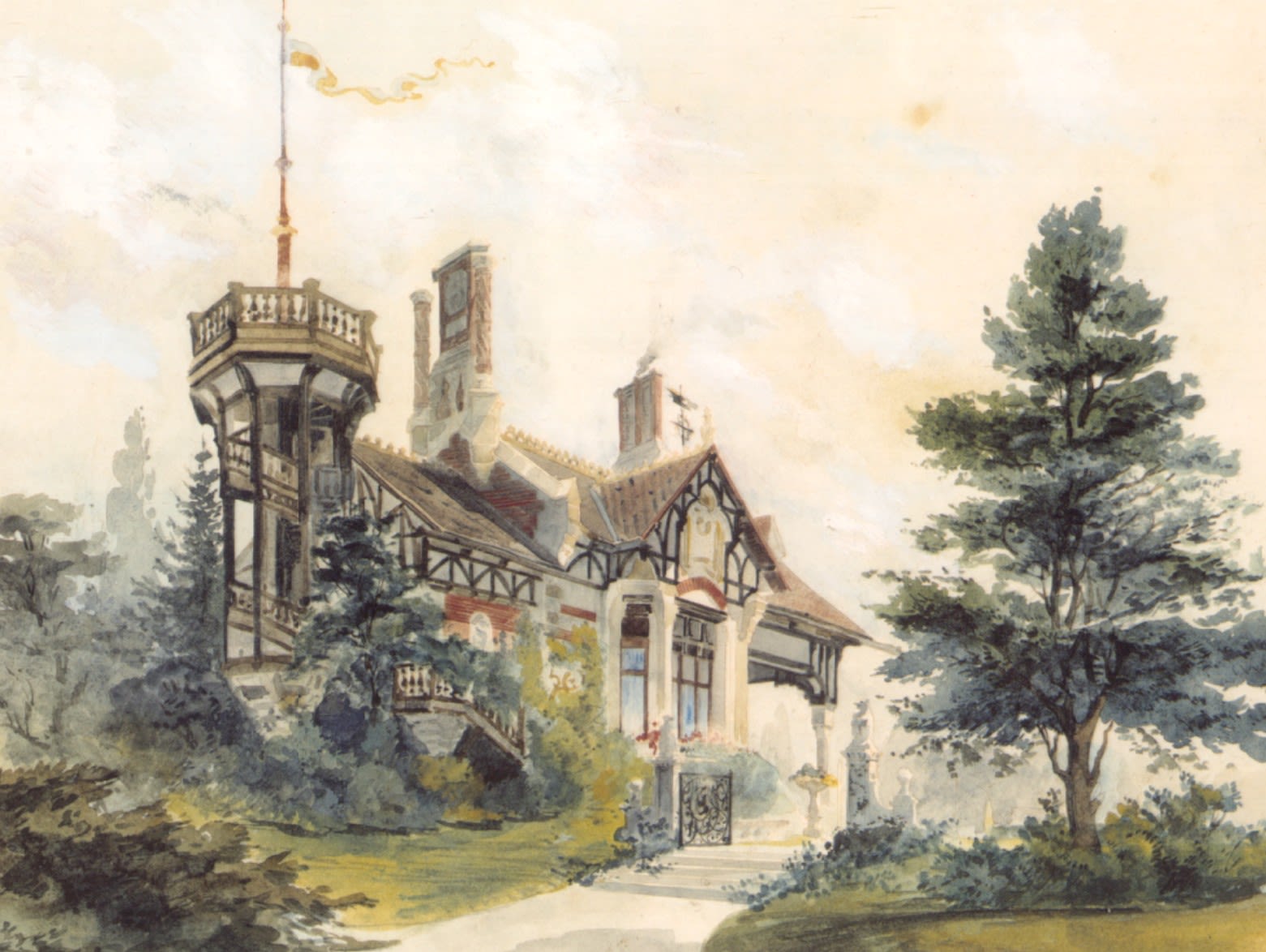
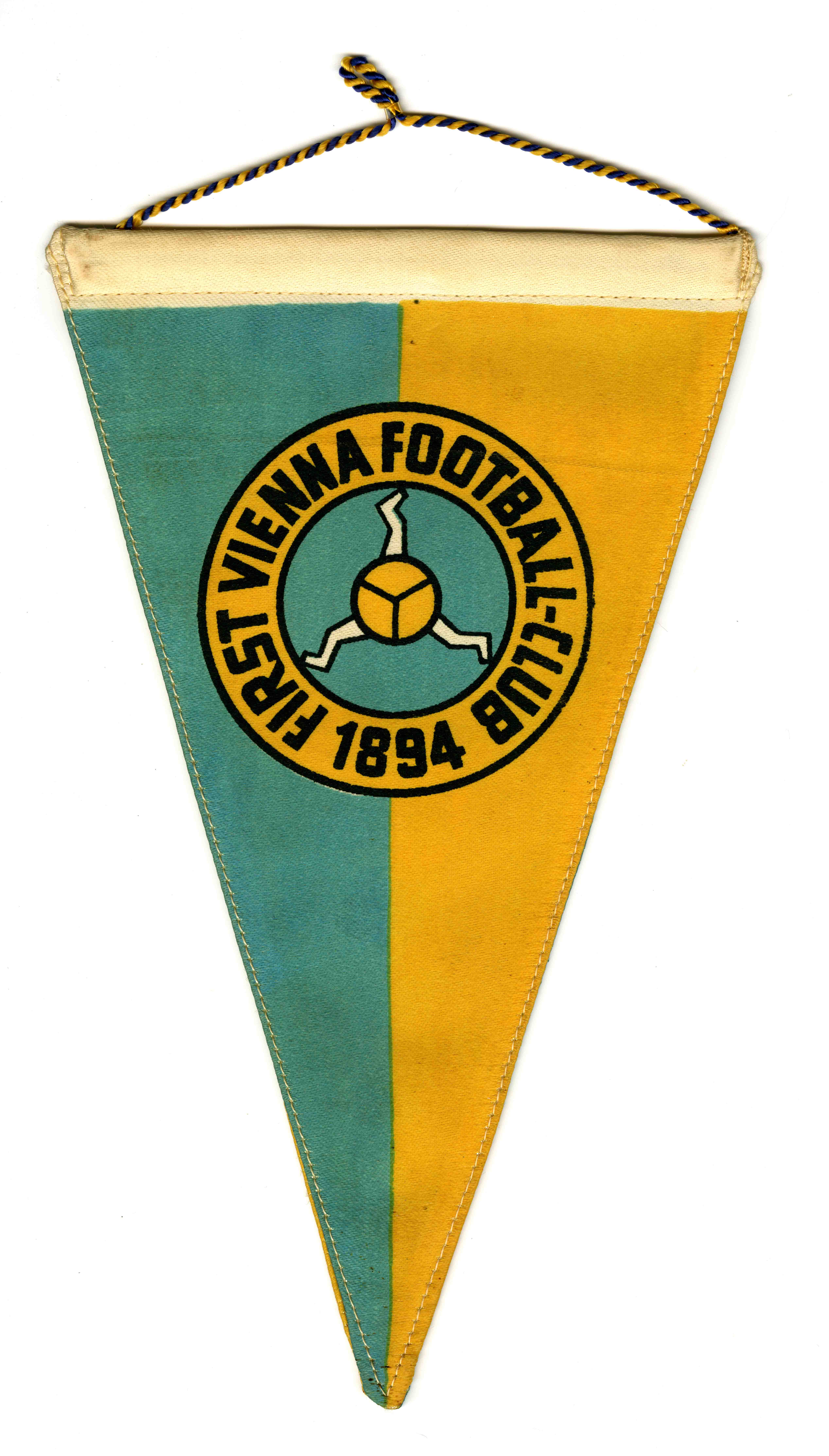
To achieve his horticultural vision, Nathaniel imported gardeners from England. It was one of these gardeners, James Black, who first told his colleagues about football. The story goes that they organised the first unofficial match on the Hohe Warte, much to the Baron’s dismay, tearing up the lawns. However, Nathaniel, realising the benefit of sport for teamwork and recreation was persuaded of the virtues of football. With land and financial support from Nathaniel, the ‘First Vienna Football Club 1894’ was officially established on 22 August 1894 with Nathaniel and General Director Schuster of the Viennese bank named as sponsors. Nathaniel is also said to have granted the team its famous blue and yellow strip, former jockey's shirts from his riding stables.
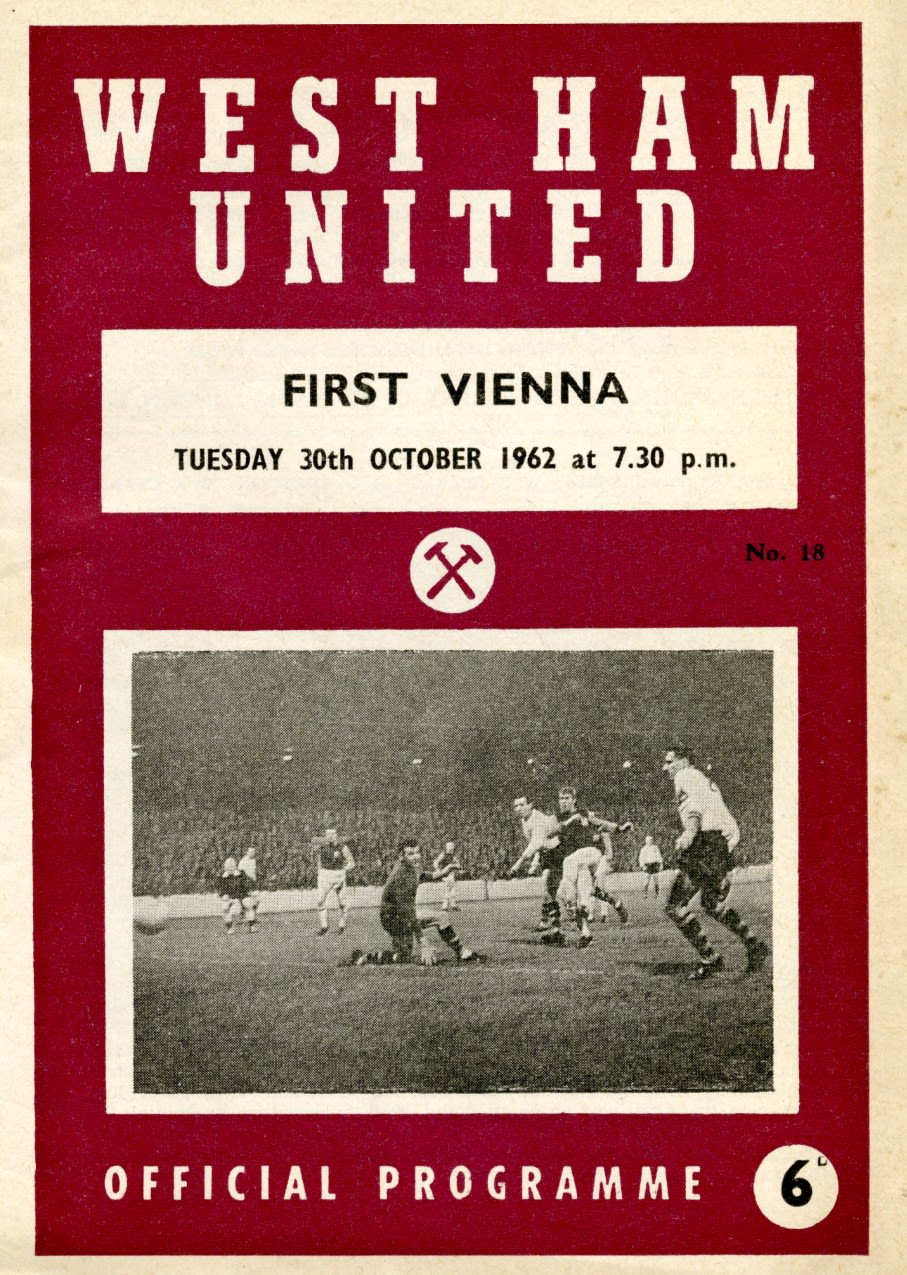
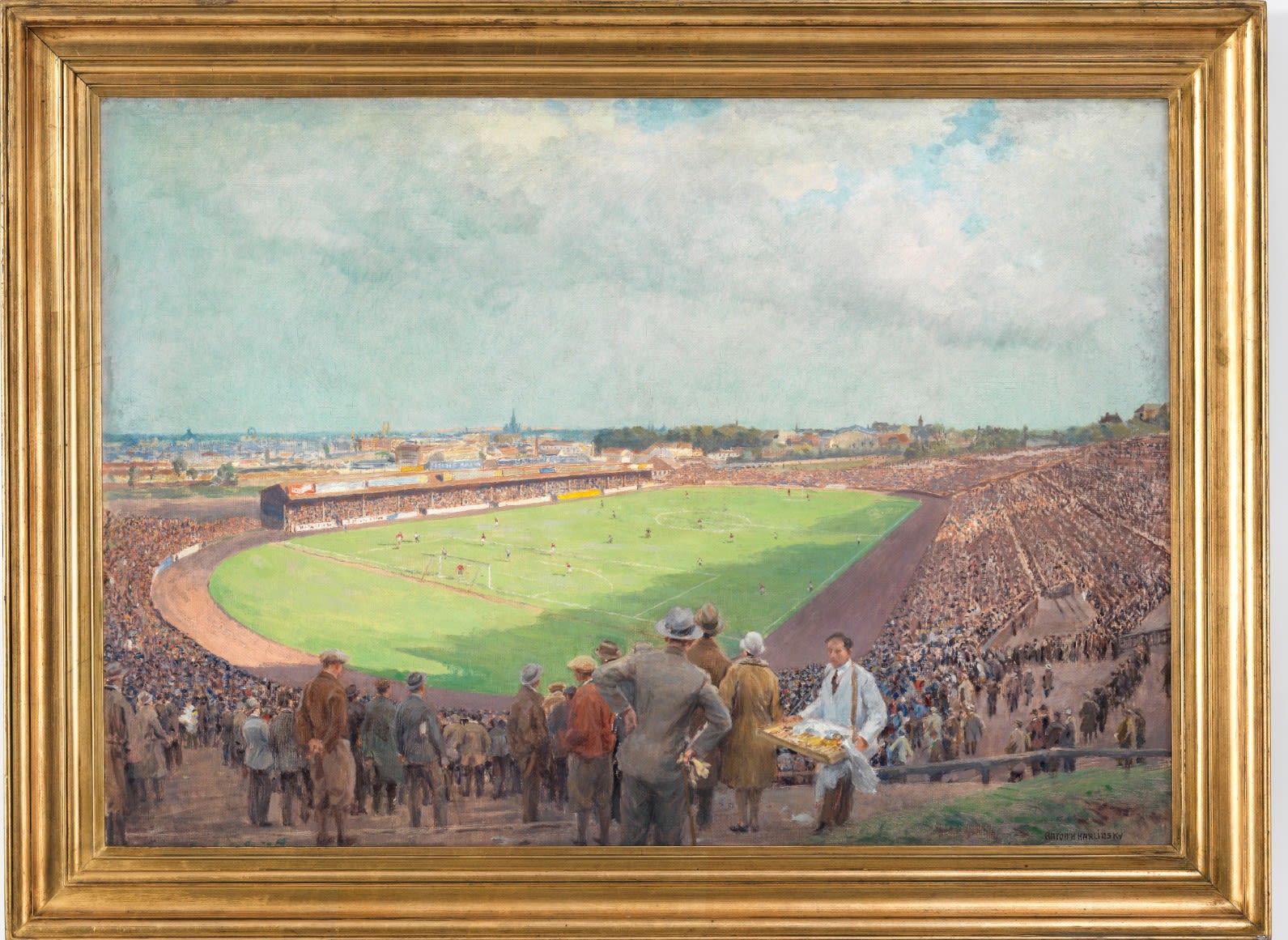
The team played its first match on 15 November 1894 against the Vienna Cricket and Football Club, losing 0-4. By the end of 1896 there were seven clubs playing in Austria. Vienna won Challenge Cup titles in 1899 and 1900, one of the first international tournaments in Central Europe. In 1904, Vienna celebrated its tenth anniversary and Rangers FC from Glasgow became the first British team to visit the Hohe Warte; Vienna lost to the Scots 2-7. By 1915, Vienna had fallen out of first division play and did not return to the top flight until after the war in 1919. The Hohe Warte Stadium was built in 1921; capacity was 85,000, making it the largest football stadium in continental Europe at the time. The club consistently finished in the top half of the league table through the 1920s and 1930s. With the National Socialists seizing power in Austria, all Jewish footballers and Jewish members were excluded from the sports clubs and persecuted by the Nazi regime; Vienna was one of the clubs with a very high proportion of Jewish members. Re-established after the war, Vienna remained competitive, but the club faded through the 1960s, playing second division football in the 1970s and 1980s. They returned to the top flight in 1986, with UEFA Cup appearances in 1988–1989 and 1989–1990. The club’s Women’s Team was formed in 1989. Vienna reached the Austrian Cup Final in 1997, but experienced financial difficulties in the 2000s. Despite financial setbacks, Vienna began climbing back up, securing promotion to the Austrian Second League in 2022.
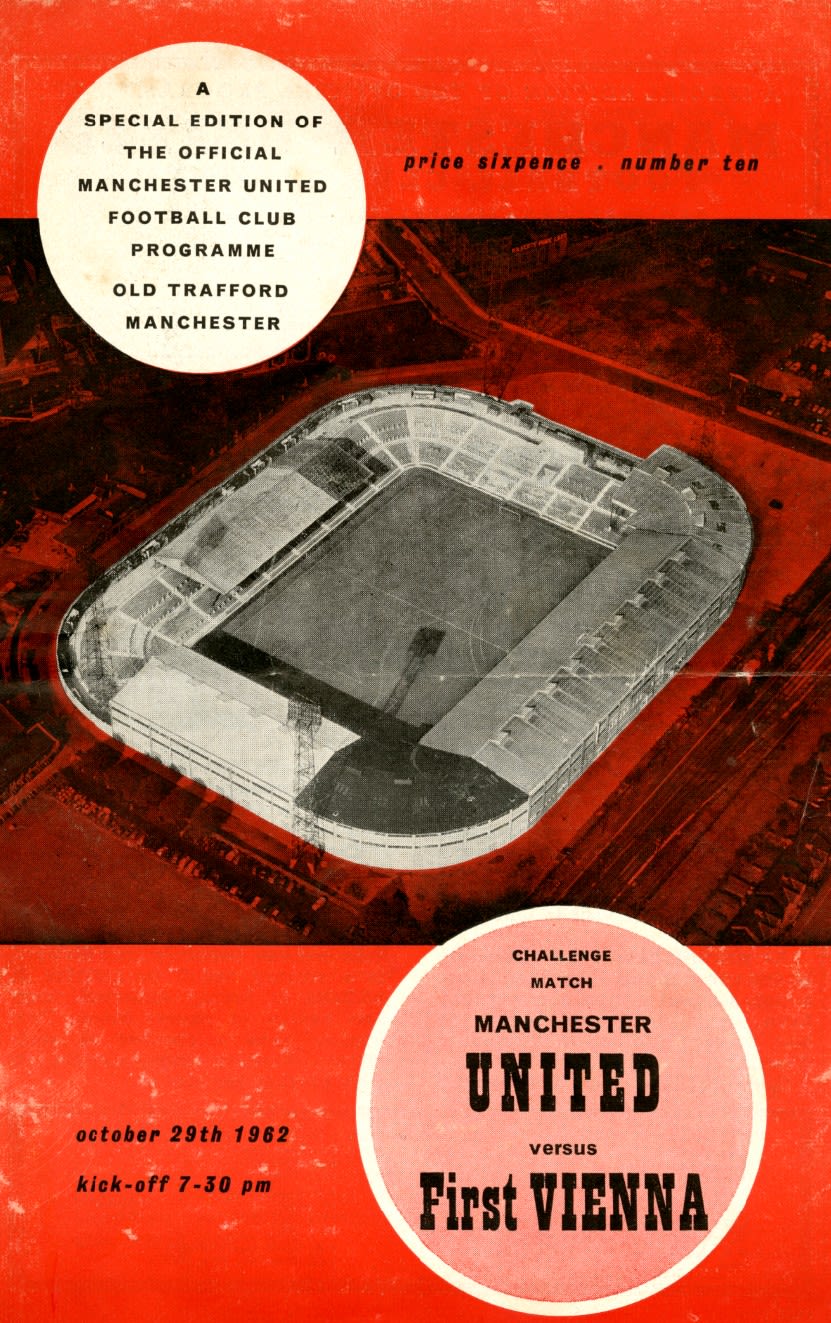
The success and longevity of Vienna would no doubt have delighted Baron Nathaniel von Rothschild, the club’s fortunes echoing the vicissitudes of the financial world. Today, the former Rothschild gardens, gifted to the city by the family after the war, are known as Vienna’s Heiligenstädter Park, and the famous ‘Naturarena Hohe Warte’ stadium, still on the gardens site where it all began, is a tribute to the Baron’s early faith in the ‘beautiful game.’