
Archivist's Choice: Racing Rothschilds: The origins of Aston Martin and a century of the British Grand Prix
In the early days of automotive history, the Rothschild family came under the spell of the motor car, undertaking feats of endurance which influenced developments in car engineering and design throughout the twentieth century. From the first days of the ‘horseless carriage’ to the age of the supercharged v12 engine, cars enabled the Rothschilds to indulge their passions for modernity and excitement.
As active participants in the field of motor racing, they succumbed to the thrill and adventure of the racetrack. Philippe de Rothschild (1902-1988) expressed his passion in a unique manner, declaring: “I’m a great driver, a born driver. My buttocks were designed to fit in a driving seat.” Active as a Grand Prix driver in the late 1920s, he raced under a pseudonym: “Georges Philippe”. He drove cars like the Bugatti Type 35C and competed in major events such as the 1929 Monaco Grand Prix, where he finished fourth. He later gave up motor racing and focused on the wine business at Château Mouton Rothschild.
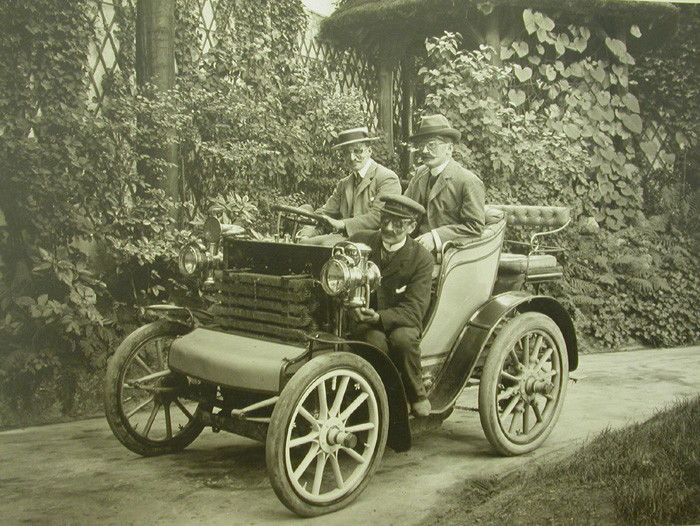
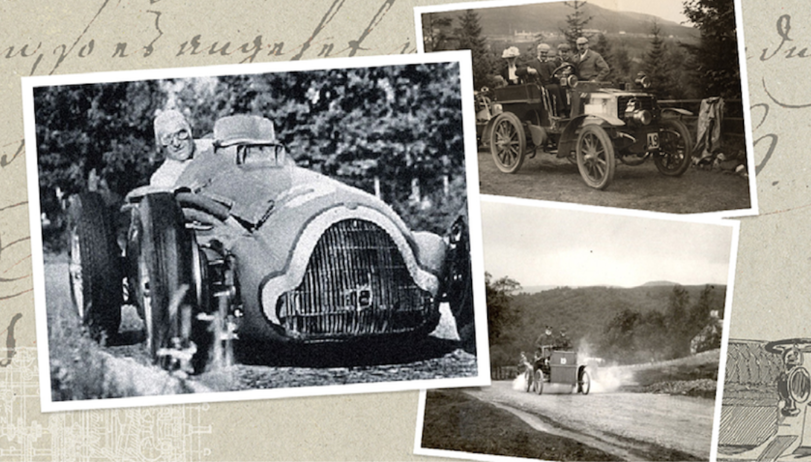
Lionel de Rothschild with driver and companion in an early motorcar. Often these machines broke down and required roadside repairs. Top image - Philippe de Rothschild behind the wheel of his Bugatti at a Grand Prix.
The origins of Aston Martin
Aston Martin, one of Britain’s most famous luxury car brands, has a history shaped by a surprising Rothschild connection.
The link between Aston Martin and the Rothschild family begins in Buckinghamshire, UK. In 1851, Sir Anthony de Rothschild (1810‒1876) acquired the Aston Clinton estate. The nearby Aston Hill, which sat on the Tring Park estate owned by Antony’s nephew Nathaniel Mayer, 1st Lord Rothschild (1840‒1915), later became a well-known venue for early motor racing.
It was this Rothschild-owned landscape that helped give Aston Martin its name. Lionel Martin and Robert Bamford, who had set up a small west London business selling and servicing cars in 1913, were among the early competitors at Aston Hill. On 4 April 1914, Martin drove a motor car up the Aston Hill Climb. After Bamford left the partnership, Martin needed a name for his first car. His success at Aston Hill provided the inspiration: “Aston” from the hill climb course, and “Martin” from Lionel Martin himself. Aston Martin was born. A plaque near Aston Hill, placed by the Aston Martin Owners Club and Aston Martin Lagonda Ltd, commemorates the birth of the marque.
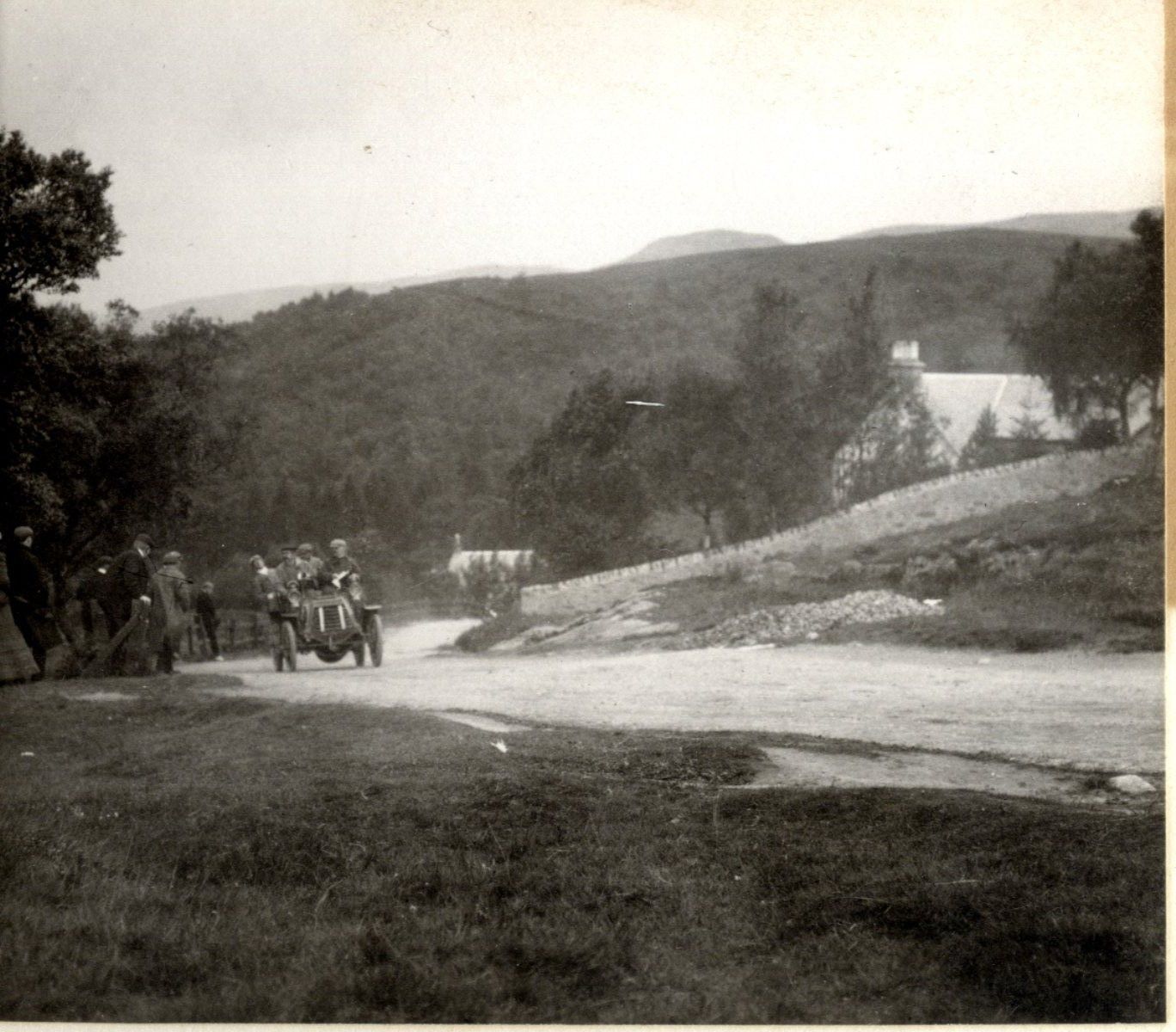
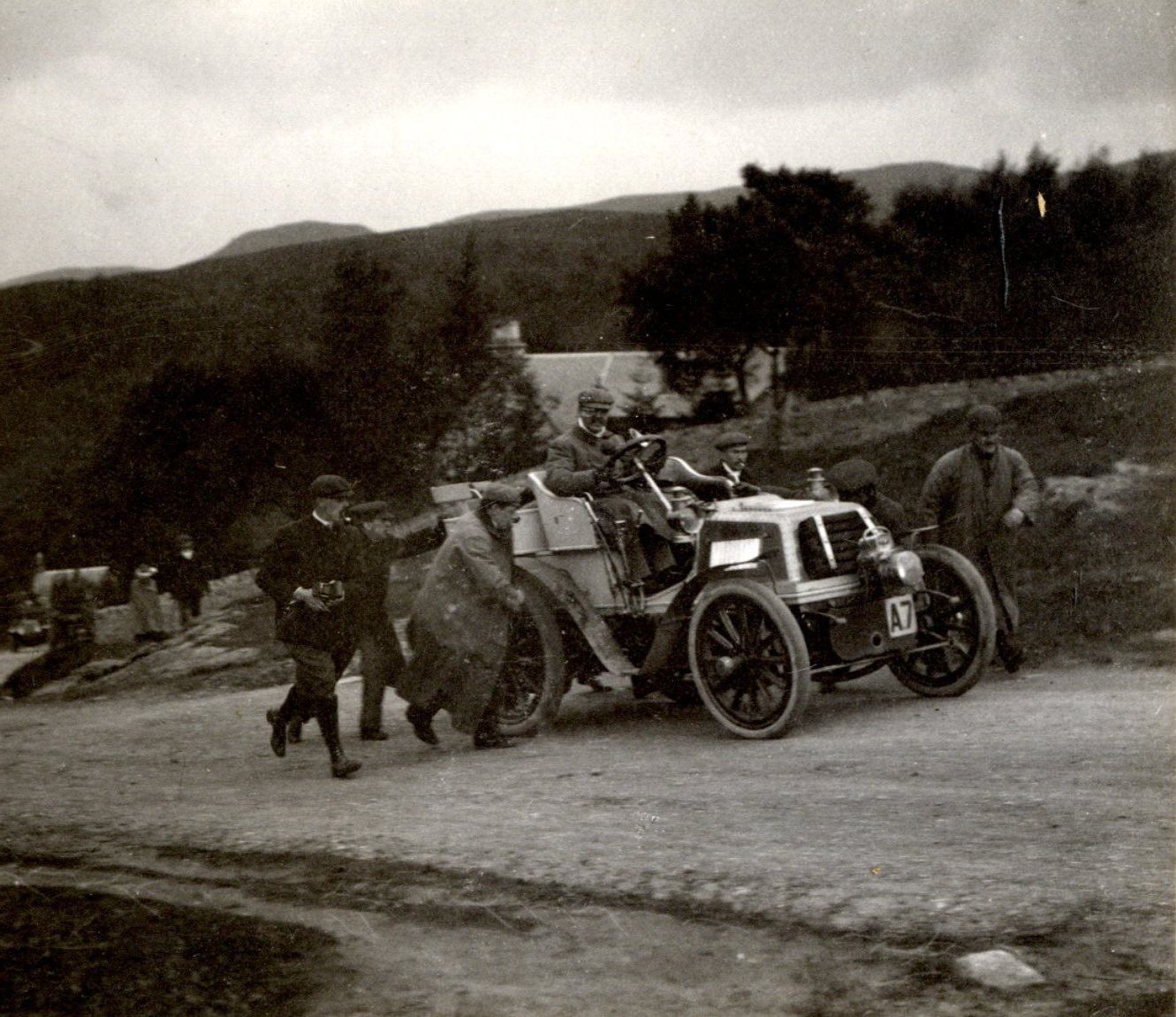
Photographs taken by Lionel de Rothschild of the Aston Hill climb race, c.1905.
Aston Martin first entered Formula One in 1959, although its initial involvement was brief, and the company did not return as a team in its own right for several decades. Nevertheless, it maintained a presence in the sport through sponsorship arrangements, notably with Red Bull Racing between 2016 and 2020. The brand formally returned to Formula One in 2021 under a consortium led by Canadian businessman Lawrence Stroll. Its team is based at Silverstone, the longstanding home of the British Grand Prix, where the Formula One British Grand Prix will take place from 3-5 July.
A century of the British motorsport industry
This year is the 100th anniversary of Britain’s first Grand Prix, marking a century of British motorsport history. It will be celebrated at the Brooklands Museum in Surrey, UK, on 8 August – the site of the first British Grand Prix, which was held on 7 August 1926 at the Brooklands race circuit, the world’s first purpose-built, banked motor racing venue.
The centenary celebrations will include a display of 100 Grand Prix cars from across the decades, car demonstrations, and a new UK 50p coin featuring historic and modern Grand Prix cars, celebrating the evolution of vehicles over the past century. The event will honour the speed, innovation, and heritage of British motorsport and will bring together enthusiasts, historians, and racing fans to celebrate the legacy of the British Grand Prix and its enduring impact on global motor racing.
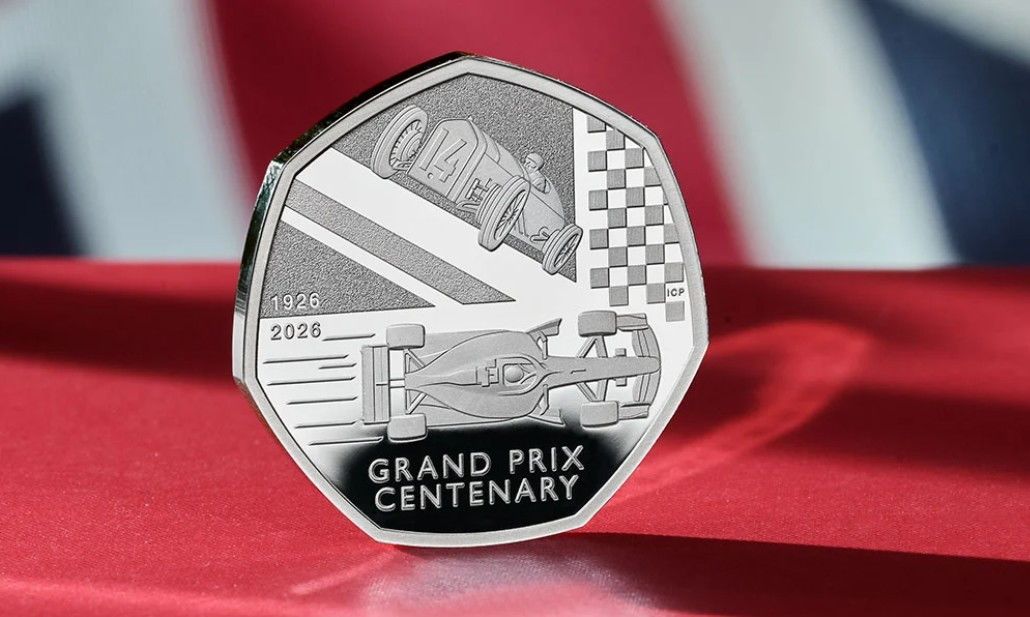
The UK 50p coin celebrating 100 years of the Grand Prix in Britain now available from The Royal Mint.
The Rothschild connection to motor racing reflects a wider spirit of innovation and enthusiasm that helped shape the sport’s early years. From Philippe de Rothschild’s brief Grand Prix career to the family’s links with Aston Martin, their story highlights how personal passion and social influence contributed to motorsport’s development. This years’ British Grand Prix centenary celebrations celebrated a century of racing while acknowledging the diverse figures who helped build its legacy.
Event information can be found here.